
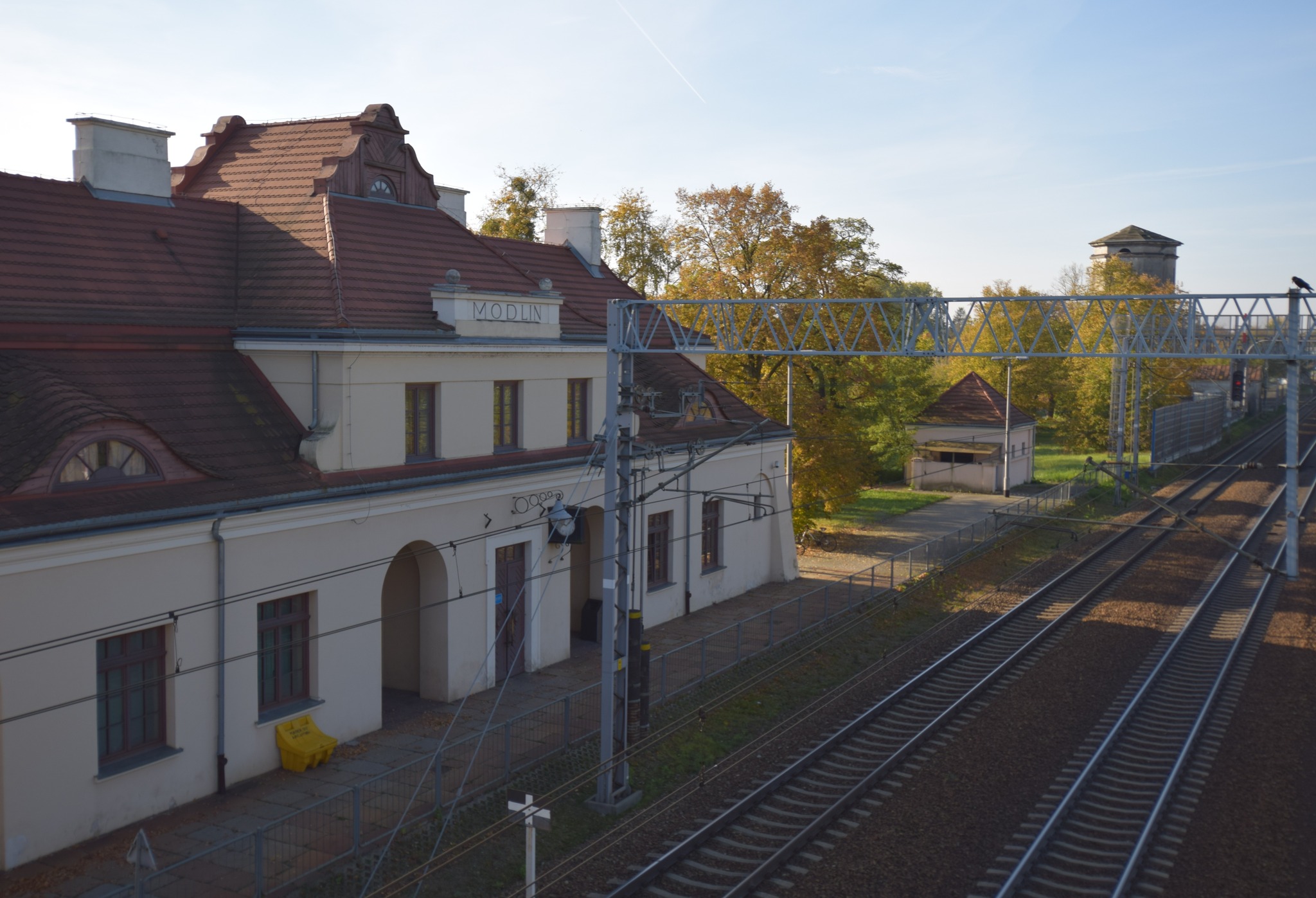
Rozstrzygnięcie zapadło po postępowaniu odwoławczym i kończy formalny spór o los jednego z najważniejszych obiektów kolejowych w Modlinie. Minister Kultury i Dziedzictwa Narodowego potwierdził ochronę konserwatorską całego zespołu dworcowego. Decyzja ma istotne znaczenie dla zachowania dziedzictwa architektonicznego regionu.
Minister Kultury i Dziedzictwa Narodowego utrzymał w mocy decyzję o wpisie do rejestru zabytków nieruchomych historycznego zespołu budowlanego dworca kolejowego w Modlinie. Tym samym potwierdzona została decyzja Mazowieckiego Wojewódzkiego Konserwatora Zabytków dotycząca objęcia ochroną konserwatorską zespołu położonego przy ul. Mieszka I nr 3 w Nowym Dworze.
Wpis obejmuje budynek stacyjny, magazyn, wieżę ciśnień, przepompownię wraz z podjazdem oraz teren przyległy. Decyzję pierwszej instancji wydał Marcin Dawidowicz, Mazowiecki Wojewódzki Konserwator Zabytków, w dniu 24 I 2025 r., wpisując historyczny zespół budowlany dworca kolejowego w Modlinie do rejestru zabytków nieruchomych województwa mazowieckiego.
Od tej decyzji zostało wniesione odwołanie do Ministra Kultury i Dziedzictwa Narodowego. W toku postępowania odwoławczego minister rozpatrzył zarzuty zgłoszone przez strony oraz przeprowadził całościową kontrolę sprawy. W jej wyniku orzekł utrzymanie w mocy zaskarżonej decyzji, uznając ochronę prawną zespołu dworcowego za zasadną i potrzebną.
W uzasadnieniu wskazano, że Mazowiecki Wojewódzki Konserwator Zabytków prawidłowo wykazał wartości historyczne, artystyczne i naukowe zespołu, które przemawiają za jego wpisem do rejestru zabytków nieruchomych. Minister podkreślił również, że trwałe zachowanie tego zespołu leży w interesie społecznym.
Zwrócono uwagę, że mimo zróżnicowanego stanu technicznego poszczególnych obiektów zachowane zostały najważniejsze elementy zabudowy kolejowej. Całość stanowi unikatowy przykład architektury kolejowej II Rzeczypospolitej oraz materialne świadectwo koncepcji odbudowy i rozwoju sieci kolejowej w pierwszych latach po odzyskaniu niepodległości.
Wartości artystyczne zespołu wynikają z reprezentowania nurtu narodowego w architekturze, łączącego elementy nowożytne, zwłaszcza renesansowe i barokowe, ze stylem dworkowym. Budynek stacyjny, wieża ciśnień, przepompownia i magazyn odznaczają się harmonijnymi proporcjami, przemyślaną bryłą, umiejętnym zastosowaniem historyzującego detalu oraz prostym i funkcjonalnym układem, świadczącym o wysokim poziomie projektowym.
W decyzji podkreślono również znaczenie naukowe zespołu. Obiekty te są cennym źródłem wiedzy o architekturze kolejowej z pierwszych lat dwudziestolecia międzywojennego, w tym o stosowaniu projektów wzorcowych dla zabudowy stacyjnej. W warstwie materialnej dokumentują technologie wykonania, użyte materiały budowlane oraz ich opracowanie, a także stanowią ważne świadectwo dorobku architektonicznego Romualda Millera.
A station preserved by the minister’s decision
The ruling was issued after appeal proceedings and brings a formal dispute over one of Modlin’s most important railway sites to an end. The Minister of Culture and National Heritage confirmed full conservation protection for the entire station complex. The decision is of significant importance for the preservation of the region’s architectural heritage.
The Minister of Culture and National Heritage upheld the decision to enter the historic building complex of the Modlin railway station into the register of immovable monuments. In doing so, the Minister confirmed the ruling of the Mazovian Provincial Conservator of Monuments concerning the protection of the complex located at 3 Mieszka I Street in Nowy Dwór.
The entry covers the station building, warehouse, water tower, pumping station together with the access driveway, and the adjacent land. The first-instance decision was issued by Marcin Dawidowicz, Mazovian Provincial Conservator of Monuments, on January 24, 2025, entering the historic building complex of the Modlin railway station into the register of immovable monuments of the Mazovian Voivodeship.
An appeal against this decision was filed with the Minister of Culture and National Heritage. In the course of the appeal proceedings, the Minister examined the objections raised by the parties and carried out a comprehensive review of the case. As a result, the Minister ruled to uphold the contested decision, recognizing the legal protection of the Modlin railway station complex as justified and necessary.
In the reasoning, it was indicated that the Mazovian Provincial Conservator of Monuments correctly demonstrated the historical, artistic, and scientific values of the complex, which justify its entry into the register of immovable monuments. The Minister also emphasized that the permanent preservation of this complex lies in the public interest.
It was noted that despite the varied technical condition of individual structures, the most important elements of the railway development have been preserved. The complex as a whole constitutes a unique example of railway architecture of the Second Polish Republic and a material testimony to the concept of rebuilding and developing the railway network in the first years after regaining independence.
The artistic values of the complex stem from its representation of the national architectural movement, combining elements of early modern architecture, particularly Renaissance and Baroque, with the manor-house style. The station building, water tower, pumping station, and warehouse are characterized by harmonious proportions, a well-considered massing, skillful use of historicizing architectural detail, and a simple, functional layout, demonstrating the high quality of the designers’ work.
The decision also emphasized the scientific significance of the complex. These buildings constitute a valuable source of information on railway architecture from the early years of the interwar period, including the use of standard designs for station development. In their material layer, they document construction technologies, building materials used and their treatment, and also represent an important testimony to the architectural work of Romuald Miller.


