Na Wzgórzu Tumskim w Płocku rozpoczął się jeden z najważniejszych projektów konserwatorskich ostatnich lat. Diecezja Płocka podjęła realizację przedsięwzięcia, które ma przywrócić dawną świetność zespołowi opactwa benedyktyńskiego z elementami Zamku Książąt Mazowieckich.
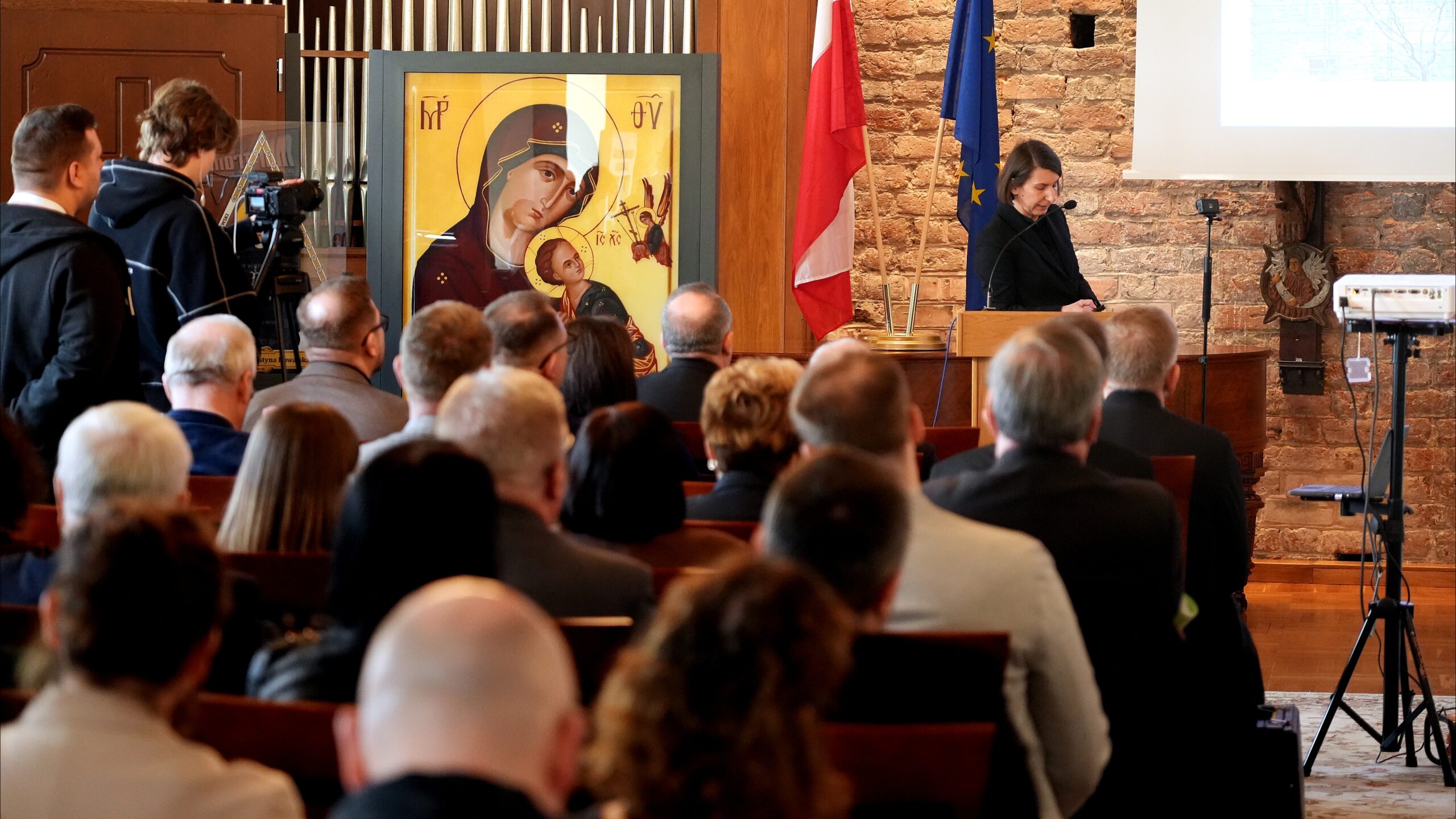
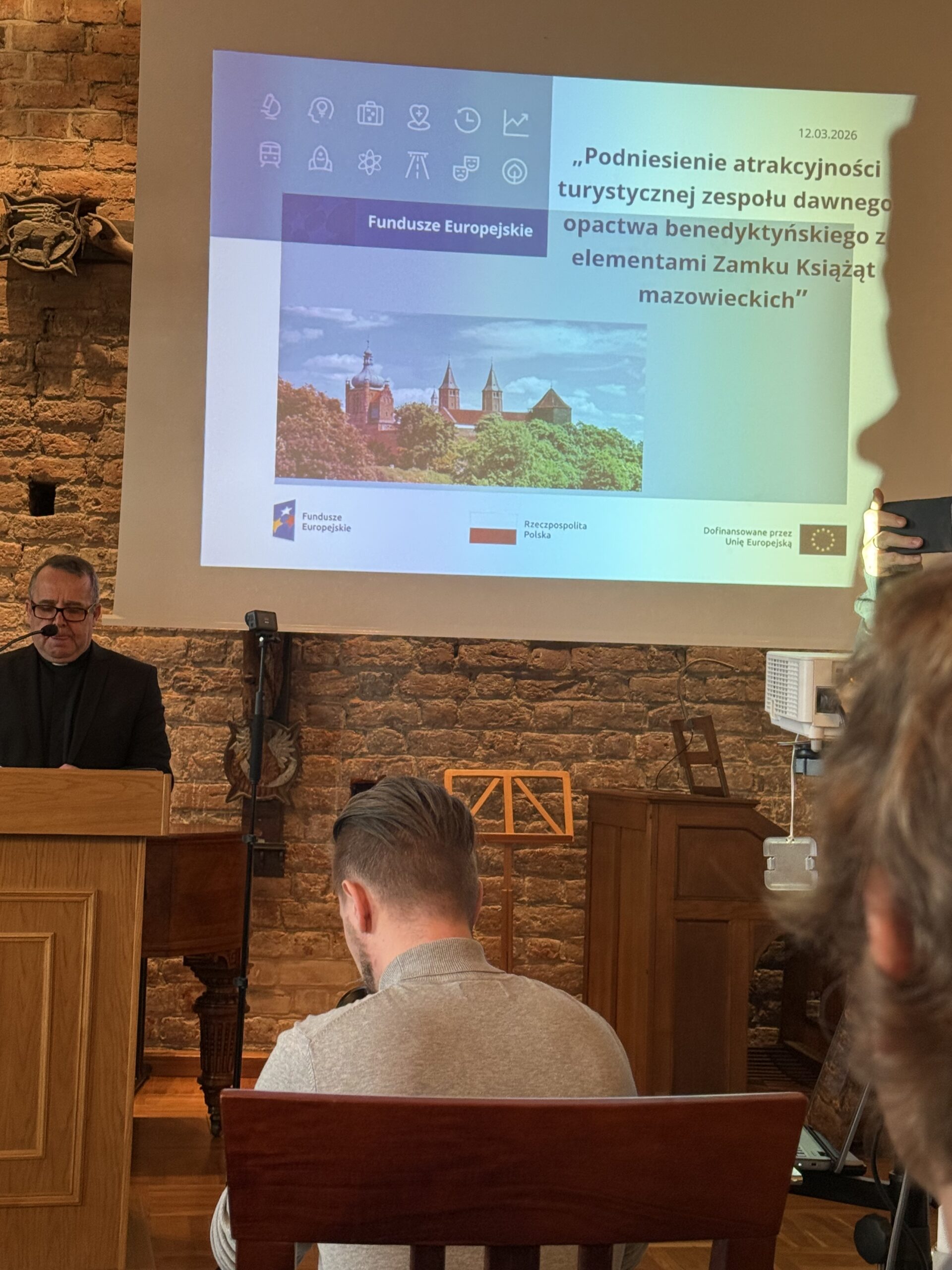
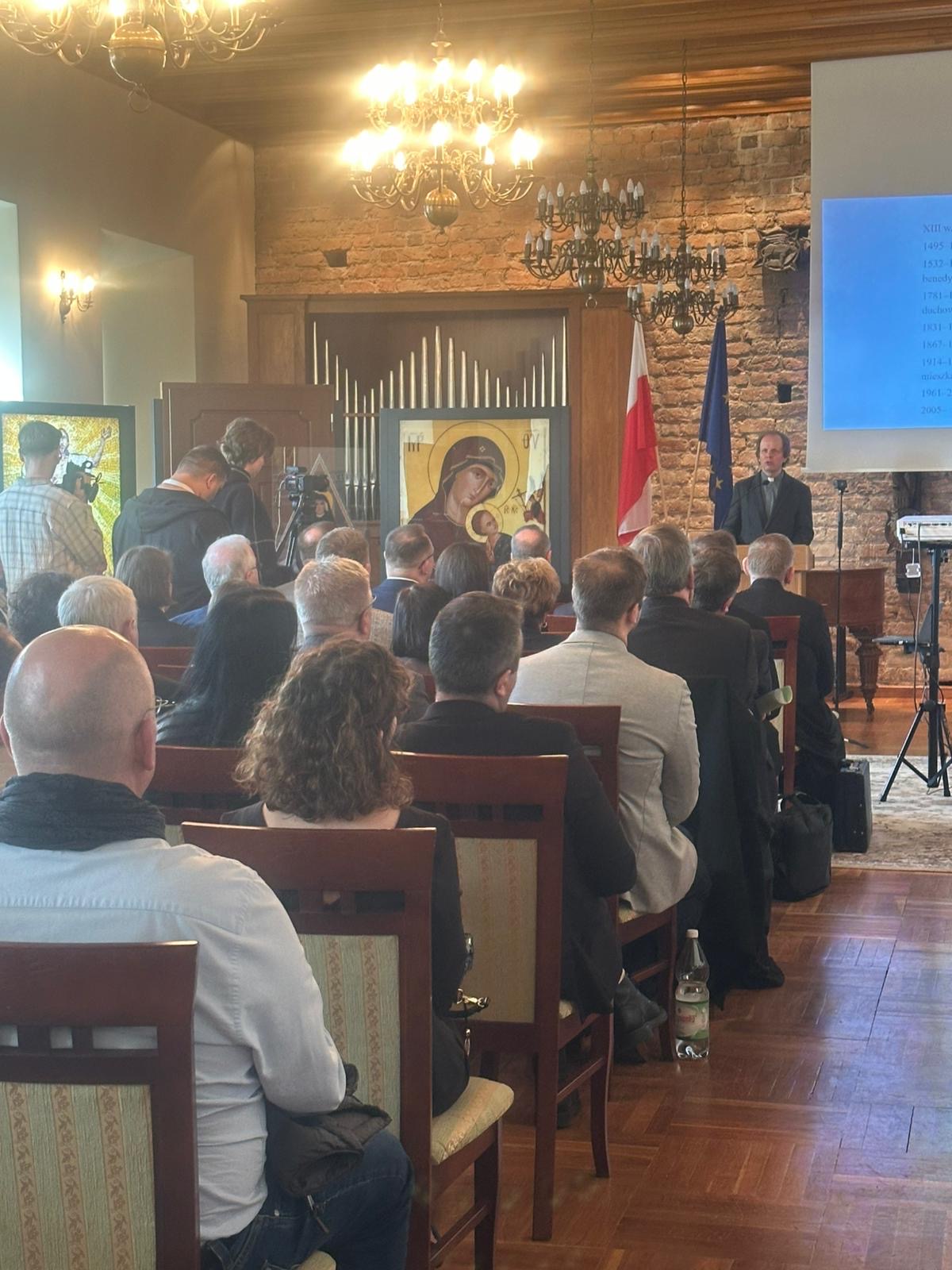
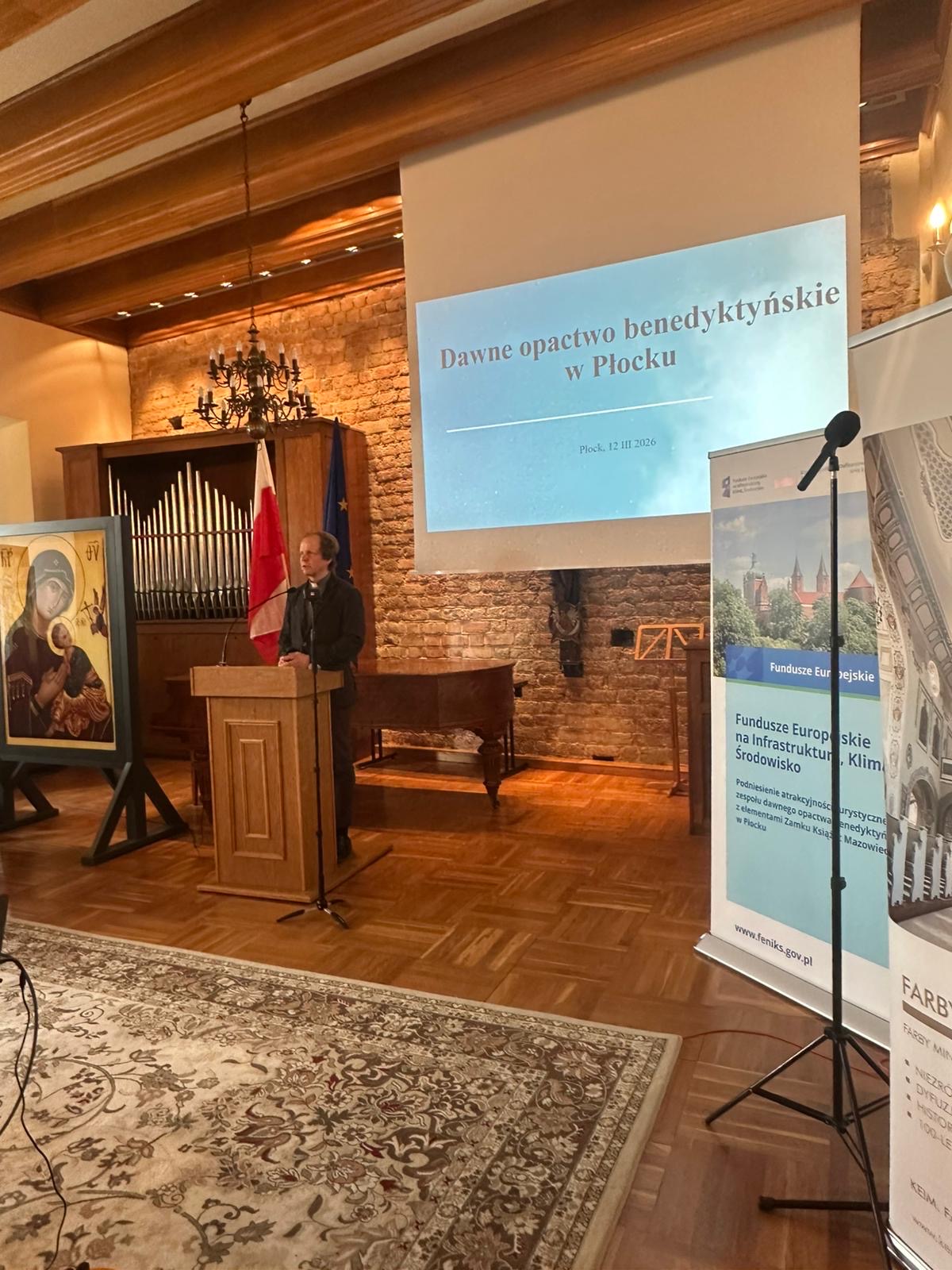
12 III 2026 r. w Sali Barokowej Opactwa Pobenedyktyńskiego w Płocku odbyła się konferencja prasowa inaugurująca projekt „Podniesienie atrakcyjności turystycznej zespołu dawnego opactwa benedyktyńskiego z elementami Zamku Książąt Mazowieckich w Płocku”. Inwestycję realizuje Diecezja Płocka przy współfinansowaniu ze środków Unii Europejskiej w ramach programu Fundusze Europejskie na Infrastrukturę, Klimat, Środowisko 2021–2027 (FEnIKS), działanie FENX.07.01 Infrastruktura kultury i turystyki kulturowej.
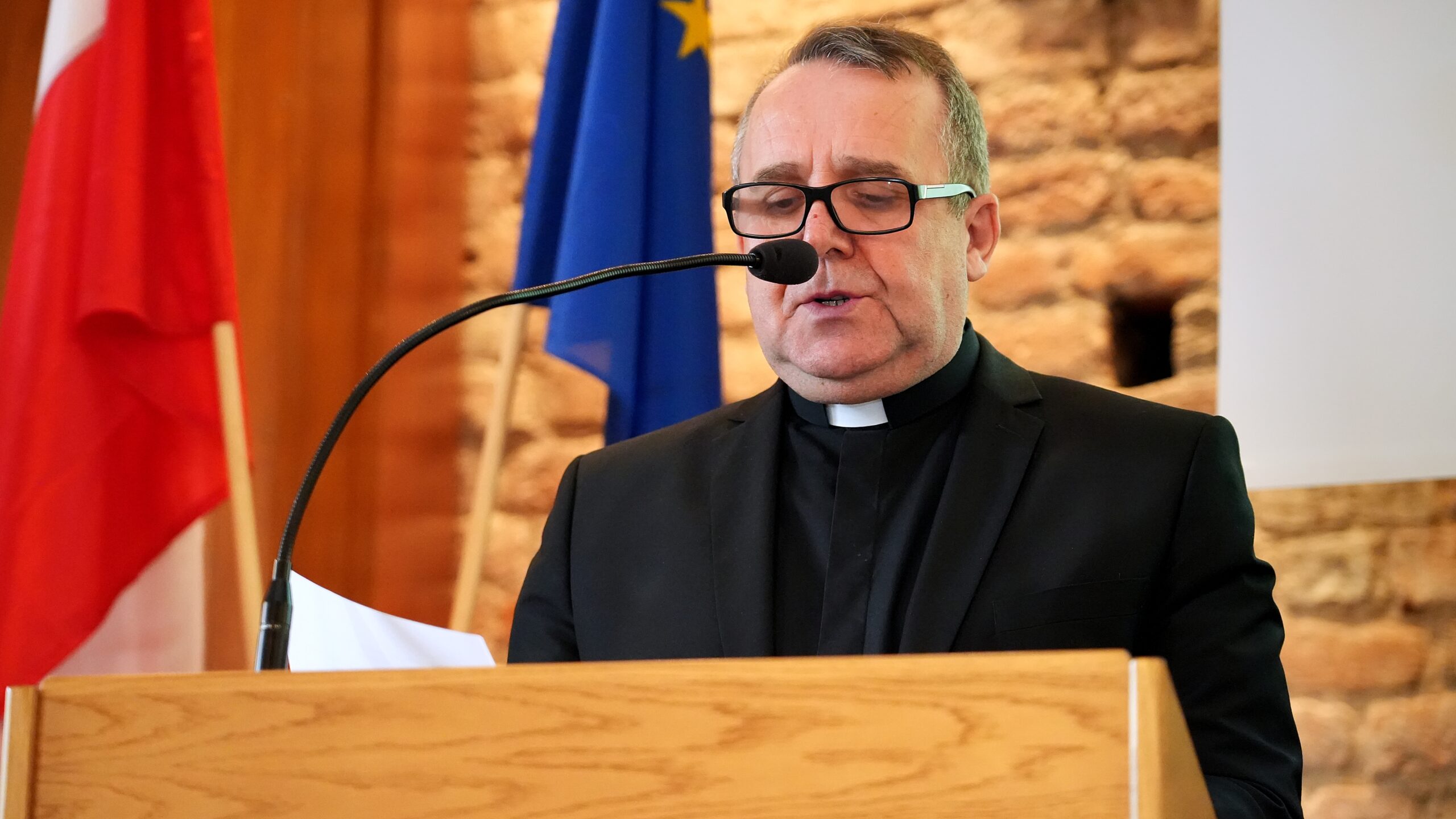
Konferencję otworzył ekonom Diecezji Płockiej ks. kan. Roman Bagiński. Duchowny powitał zaproszonych gości oraz przedstawicieli mediów, a następnie przedstawił główne założenia przedsięwzięcia oraz jego znaczenie dla zachowania dziedzictwa kulturowego regionu.
Całkowita wartość projektu wynosi 11 488 023,77 zł. Dofinansowanie ze środków europejskich stanowi 9 157 103,74 zł.
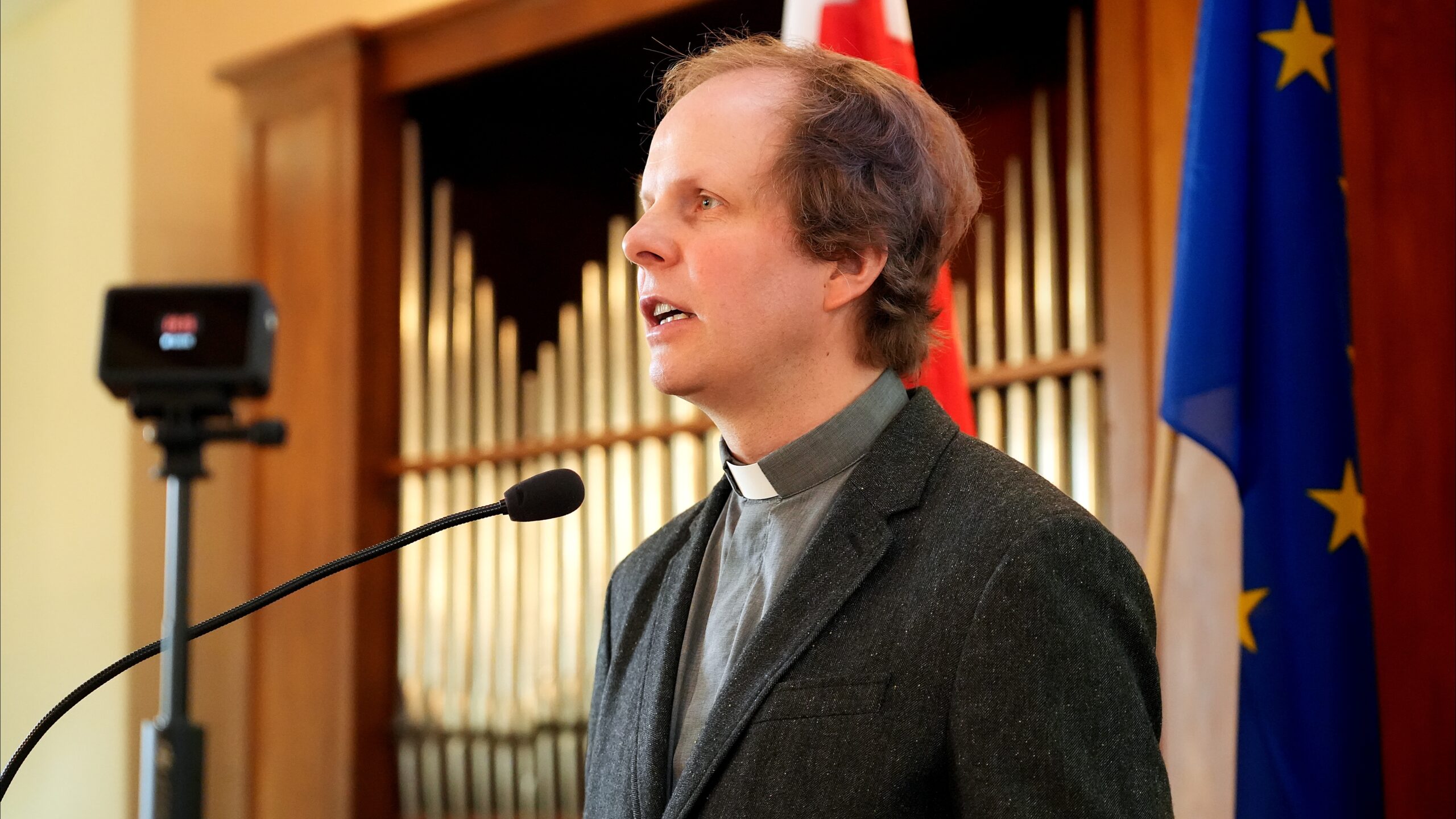
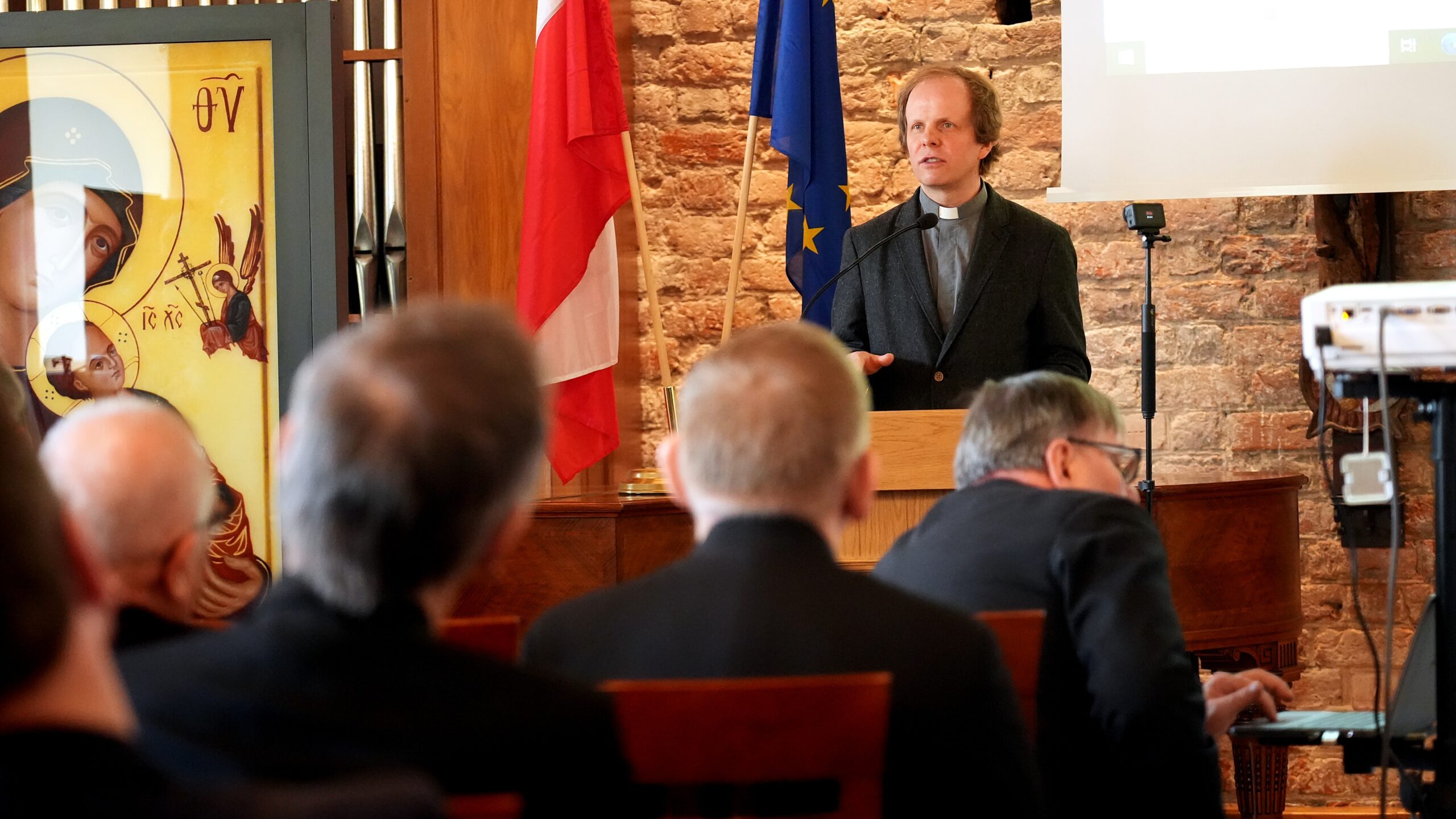
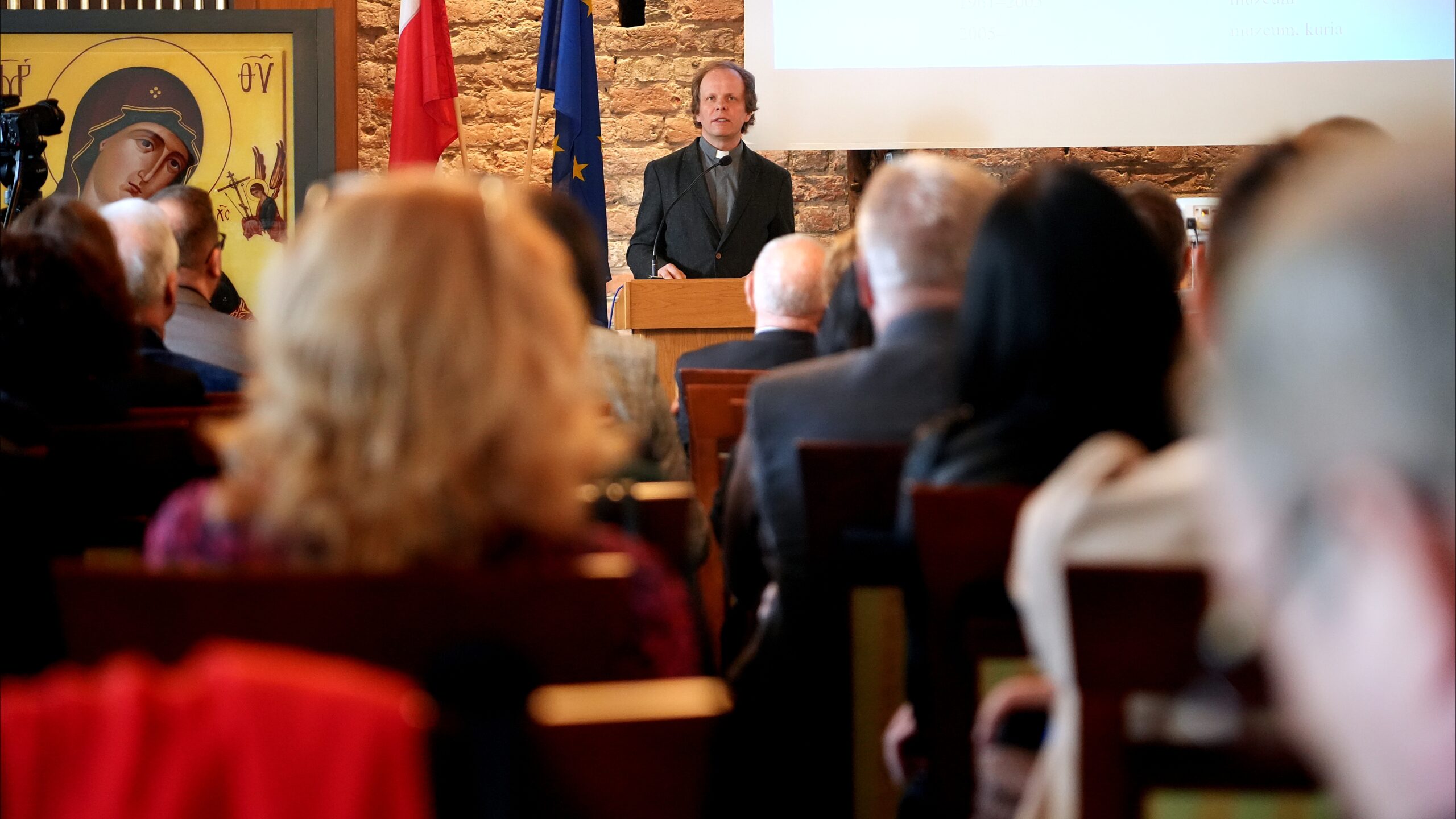
Historyczne znaczenie miejsca przybliżył dyrektor Archiwum Diecezjalnego w Płocku ks. dr Bartosz Leszkiewicz. Podkreślił on, że dzieje opactwa sięgają początków grodu na Wzgórzu Tumskim. Kompleks łączy w sobie elementy dawnego klasztoru benedyktyńskiego oraz pozostałości Zamku Książąt Mazowieckich, w tym średniowieczne wieże i fragmenty murów obronnych.
Obecnie w zabytkowym budynku mieści się Kuria Diecezjalna oraz część Muzeum Diecezjalnego. Dzięki realizacji projektu obiekt ma stać się jeszcze bardziej dostępny dla mieszkańców oraz turystów odwiedzających Płock i region.
Zakres planowanych prac przedstawiła architekt Marta Siodłak-Dzido. Projekt obejmuje kompleksowe działania budowlane, konserwatorskie i restauratorskie mające zabezpieczyć i zachować historyczną substancję zabytku.
Wśród najważniejszych prac przewidziano remont elewacji północnej i zachodniej, odnowienie ceglanych murów i kamiennych fragmentów oraz uzupełnienie ubytków z zachowaniem historycznego charakteru budowli.
Prace obejmą również konserwację Wieży Szlacheckiej oraz Wieży Zegarowej. W planie znalazły się działania wzmacniające i restauratorskie przy elementach ceglanych, kamiennych, metalowych i drewnianych, a także rekonstrukcja brakujących detali architektonicznych.
Istotnym elementem projektu będzie także zagospodarowanie otoczenia opactwa. Powstaną elementy małej architektury, nowe ciągi piesze oraz tablice informacyjne prezentujące historię miejsca i jego rolę w dziejach Mazowsza.
Projekt przewiduje także rozwój nowoczesnej oferty turystycznej i edukacyjnej. Powstanie nowa aplikacja webowa oraz strona internetowa prezentująca ofertę turystyczną opactwa w języku polskim i angielskim.
Zaplanowano również digitalizację wybranych zabytków ruchomych w technologii 2D i 3D, co umożliwi ich prezentację w przestrzeni internetowej. Dla odwiedzających przygotowana zostanie ścieżka turystyczno-edukacyjna z replikami historycznych przedmiotów, m.in. dawnego uzbrojenia, narzędzi i elementów wyposażenia.
Kompleks zostanie także doposażony w sprzęt multimedialny umożliwiający transmisje wydarzeń on-line oraz organizację spotkań i szkoleń. W ramach projektu zaplanowano również cykl szkoleń dla pracowników i przedstawicieli społeczności lokalnej dotyczących obsługi ruchu turystycznego, wykorzystania narzędzi cyfrowych oraz zagadnień związanych z cyberbezpieczeństwem i promocją turystyki kulturowej.
Oferta przygotowywana w ramach projektu skierowana jest do szerokiego grona odbiorców – dzieci, uczniów szkół, nauczycieli, seniorów, rodzin z dziećmi oraz turystów odwiedzających region.
Pierwsze efekty prac są już widoczne. Fragment północnego muru został oczyszczony i odnowiony, odzyskując historyczną kolorystykę oraz strukturę cegły.
Realizacja projektu pozwoli zachować dla przyszłych pokoleń wyjątkowy zespół zabytkowy obejmujący m.in. relikty rotundy z XI wieku, fragmenty klasztoru z pozostałościami kościoła św. Wojciecha, mur obronny zamku oraz średniowieczne wieże.
W przestrzeni tej przechowywane są również jedne z najcenniejszych zabytków polskiego piśmiennictwa – „Biblia Płocka” oraz pontyfikał płocki.

The Benedictine abbey complex in Płock to be revitalized through a major cultural heritage project
One of the most important conservation projects in recent years has begun at Tumskie Hill in Płock. The Diocese of Płock has launched an initiative aimed at restoring the historic Benedictine abbey complex with elements of the Dukes of Mazovia Castle.
On March 12, 2026, a press conference inaugurating the project titled “Enhancing the Tourist Attractiveness of the Former Benedictine Abbey Complex with Elements of the Dukes of Mazovia Castle in Płock” took place in the Baroque Hall of the former Benedictine Abbey. The project is implemented by the Diocese of Płock and co-financed by the European Union under the program European Funds for Infrastructure, Climate, Environment 2021–2027 (FEnIKS), action FENX.07.01 Infrastructure of culture and cultural tourism.
The conference was opened by the economist of the Diocese of Płock, Rev. Canon Roman Bagiński. He welcomed invited guests and media representatives and presented the main goals of the project and its importance for preserving the cultural heritage of the region.
The total value of the project is PLN 11,488,023.77, including PLN 9,157,103.74 in European funding.
The historical significance of the complex was presented by Rev. Dr. Bartosz Leszkiewicz, director of the Diocesan Archive in Płock. He emphasized that the history of the abbey reaches back to the early days of the fortified settlement on Tumskie Hill. The complex combines elements of the former Benedictine monastery and remains of the Dukes of Mazovia Castle, including medieval towers and fragments of defensive walls.
Today the building houses the Diocesan Curia and part of the Diocesan Museum. Thanks to the project, the site is expected to become even more accessible to residents and tourists visiting Płock and the Mazovia region.
Architect Marta Siodłak-Dzido presented the scope of planned works. The project includes comprehensive construction, conservation, and restoration activities aimed at protecting the historical structure of the monument.
The works include renovation of the northern and western façades, restoration of brick walls and stone elements, and completion of missing architectural fragments while preserving the historical character of the structure.
The project also includes conservation of the Noble Tower and the Clock Tower. Restoration will cover brick, stone, metal, and wooden elements, along with the reconstruction of missing architectural details.
An important part of the investment will be the development of the surrounding area. Small architectural elements, pedestrian paths, and information boards explaining the history of the site and its role in the history of the region will be installed.
The project also includes the development of a modern tourist and educational offer. A new web application and website presenting the abbey’s tourist offer in Polish and English will be created.
Selected movable monuments will also be digitized using 2D and 3D technology, allowing them to be presented online. A tourist and educational path will also be prepared for visitors, enriched with replicas of historical objects such as weapons, tools, and elements of historical equipment.
The complex will also be equipped with multimedia equipment enabling online event broadcasts as well as meetings and training sessions. The project also includes a series of training programs for staff and members of the local community concerning tourism services, digital tools, cybersecurity, and the promotion of cultural tourism.
The offer prepared under the project is aimed at a wide range of audiences including children, school students, teachers, seniors, families with children, and tourists visiting the region.
The first results of the works are already visible. A fragment of the northern wall has been cleaned and restored, revealing its historical brick color and structure.
The project will help preserve for future generations a unique historical complex including the remains of an 11th-century rotunda, fragments of the monastery with the remains of the Church of St. Adalbert, the castle defensive wall, and medieval towers.
The complex also houses some of the most valuable monuments of Polish written heritage, including the “Płock Bible” and the Płock Pontifical.